Real Estate
Since 2018 branded residences have become a global segment, with Vietnam among the leaders, while co-living in Asia has moved from start-ups to platforms backed by institutional capital.
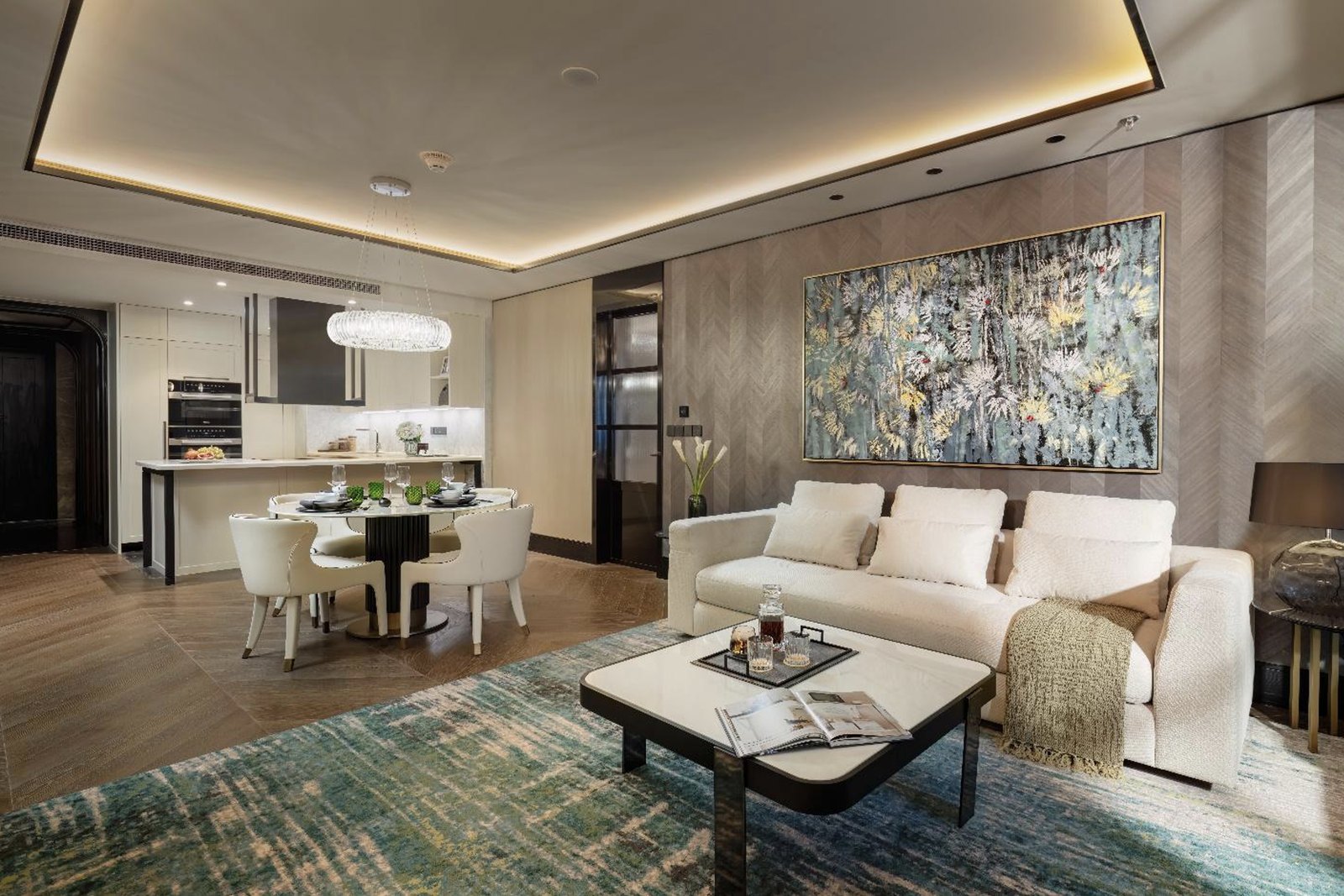
Since 2018 Rubix Navigation has followed two models that bring hotel-style service into the home. A branded residence is a residential project carrying the name of a hotel brand, or of a luxury brand from outside hospitality such as fashion or cars. With a hotel brand, residents’ services are usually managed by the hotel operator itself; with a brand from outside hospitality, the brand mainly contributes design and image, while services are run by another company. Co-living is shared housing with communal spaces and services, for young people in large cities. Eight years on, the two models have taken different paths.
According to Savills, the number of branded residential schemes worldwide grew by around 170 per cent in the ten years to 2020, bringing more than 52,000 units in some 370 schemes to market. Since The Sherry-Netherland, regarded as the first branded residence, opened beside New York’s Central Park in 1927, the number of brands involved had risen to around 130 by 2020. The pandemic slowed sales in 2020, but the segment lost none of its appeal, because what buyers seek here is privacy and exclusivity.
Growth continued after the pandemic. Savills estimated that completed schemes worldwide reached around 910 by the end of 2025, up 19 per cent in a year, with 837 contracted schemes due to complete by 2032. In 2025 alone, 39 hotel brands and 19 non-hotel brands entered the sector for the first time, although hotel brands still account for 79 per cent of completed schemes. According to Savills, branded homes sell at an average premium of around 33 per cent over comparable unbranded projects. The product has evolved too: from around 2021, brands such as Mandarin Oriental, Four Seasons and One&Only have focused on turnkey homes, delivered furnished and ready to move into.
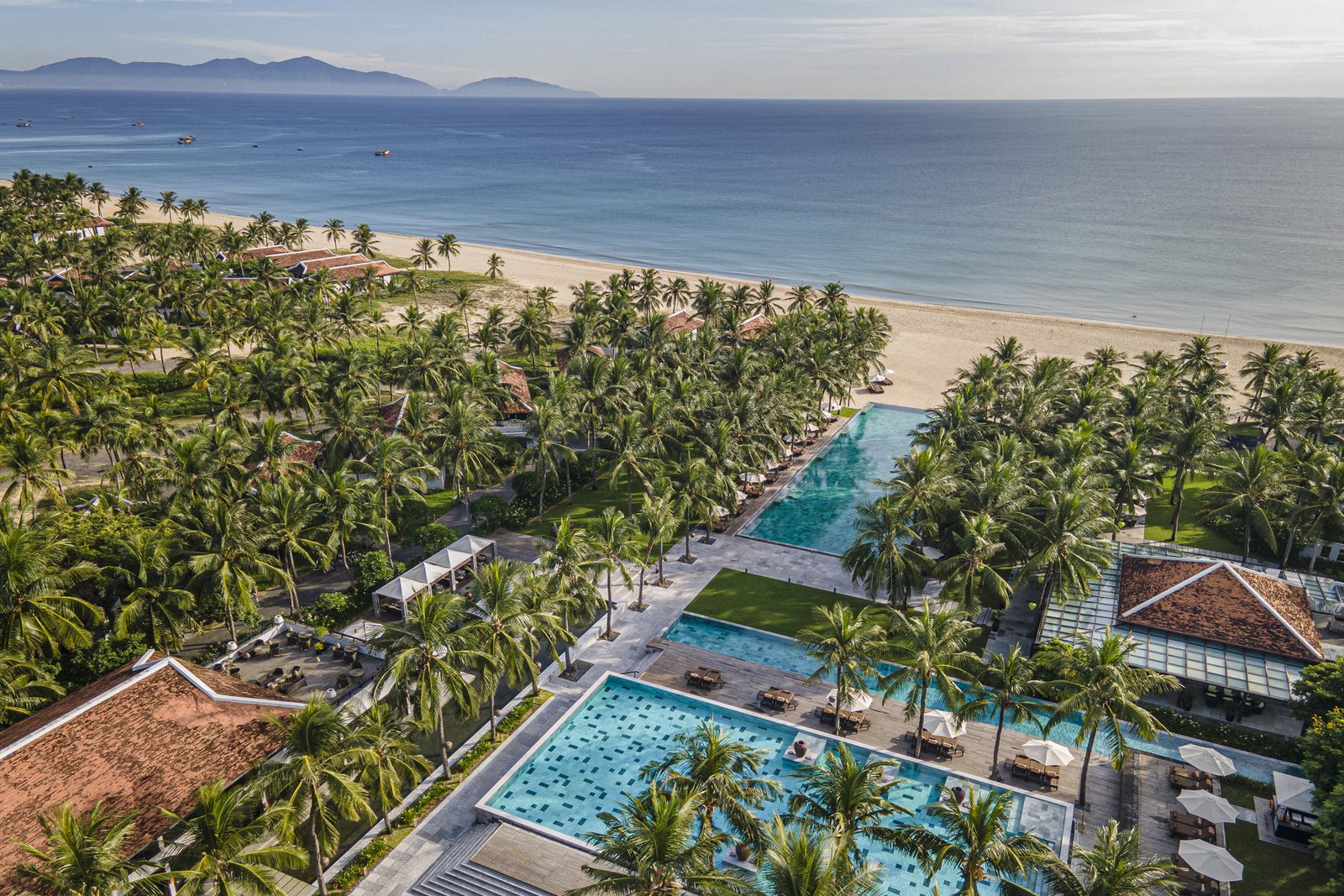
According to Savills’ Branded Residences 2025–2026 report, Vietnam ranks fourth in the world by number of branded residential projects, after the United States, Saudi Arabia and Mexico, with more than 50 projects linked to 34 international brands; Savills’ Branded Residences Asia Pacific 2026 report, published in September 2026, places Vietnam first in Asia Pacific. Marriott International, IHG Hotels & Resorts and Accor account for around 40 per cent of projects. From early resort schemes such as Four Seasons Resort The Nam Hai and Hyatt Regency Danang Resort and Spa, the market has moved into the cities with Grand Marina Saigon and The Ritz-Carlton Residences, Hanoi, alongside coastal projects in Phu Quoc, Cam Ranh and Ha Long.
Co-living took a different path. In early 2022 investors were still backing start-ups in Asia’s megacities: Sequoia Capital chose Jakarta-based Rukita for its start-up programme, Warburg Pincus invested in three ventures in mainland China and one in Hong Kong, and Lippo Group invested in Cove in Singapore. Their case was demographic: according to Warburg Pincus, using CBRE data, more than two-thirds of millennials in Asia lived with their parents and only 11 per cent owned a home, against a global average of 15 per cent.
Four years on, the market has consolidated around a few large platforms. According to Savills, by the second quarter of 2026 Weave Living, backed by Warburg Pincus since 2018, was targeting US$3.5 billion of assets under management across Tokyo, Osaka, Seoul, Singapore and Hong Kong. In Singapore, Coliwoo and The Assembly Place have listed; in Hong Kong, a number of hotels have been bought for conversion to student housing or co-living. Capital has flowed mainly into conversions and the acquisition of operating platforms, as yields on stabilised co-living assets tend to sit below institutional investors’ requirements.
Both models bring hotel service into the home, but their businesses differ. A branded residence sells a lasting standard of living: a brand’s value endures only if its service standards are maintained after handover, through a management agreement and clear operating funds. Co-living is a rental operation: returns depend on location, rents, occupancy and the cost of managing a resident community. For developers in Vietnam, where branded schemes are multiplying, the question is no longer whether to carry a brand, but which brand, which operating model and who answers for service in the years that follow. Rubix Navigation explores this further in “Branded residences in Vietnam: between the brand and the standard”.