Real Estate

Gone are the days when golf was simply a game for the green-sport elite. Today, golf courses have evolved far beyond that, becoming the beating heart of integrated resort-style townships where luxury living, holistic wellness, and long-term investment strategies converge. In this shifting landscape, two powerful trends are shaping the future of global golf real estate: branded residences and golf-integrated retirement communities.
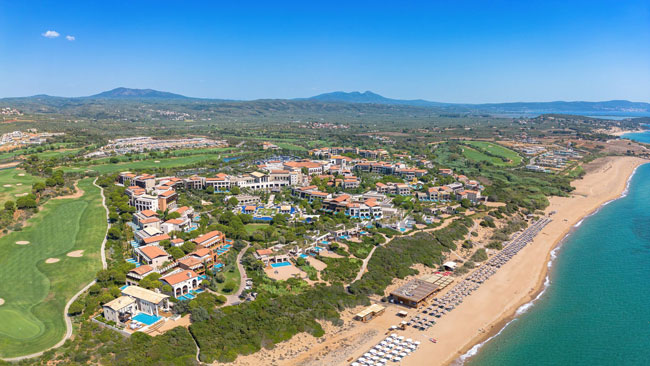
No longer just places to live, branded golf residences now symbolise a highly personalised, refined lifestyle with world-class services. Names like Four Seasons, Banyan Tree, Ritz-Carlton, and Mandarin Oriental no longer exist solely in the hotel sphere; they have entered the residential realm, bringing with them five-star service philosophies and global prestige. At Costa Navarino in Greece, Mandarin Oriental-branded villas are nestled among olive groves and elite European golf courses. Villa owners enjoy not only serene natural surroundings but also private butler service, hotel-standard concierge care, and exclusive access to facilities such as spas, mineral pool, and Michelin-starred restaurant.
In Asia, the model is rapidly expanding. At Laguna Phuket in Thailand, home to an 18-hole golf course, an integrated resort, and luxury residences, owners of Banyan Tree Residences live within the heart of a resort, benefitting from both rental income during tourism peak seasons and a luxurious lifestyle. This setup is particularly appealing to international investors, combining potential rental income with the appeal of internationally recognised brands.
Beyond elegant design and prime locations, the real value of branded golf residences lies in their community, where residents are not merely buying a home but joining an exclusive lifestyle ecosystem. Golf clubs, regular tournaments, fine dining events, wellness retreats, and even art workshops collectively shape a sophisticated social life. At Bear Mountain in British Columbia, Canada, homes surrounding the Mountain Course designed by Jack Nicklaus serve not only as weekend getaways but also long-term residences for nature lovers and those with discerning lifestyles. Residents enjoy a closed-loop ecosystem of a five-star resort, sports centre, hiking trails, and a community united by eco-conscious and high-quality living standards.
Branded golf residences combine property ownership with leisure services and community amenities. Their appeal depends on the quality of the location, services and long-term management.
Beyond wealthy middle-aged homeowners, a new demographic is quietly powering the rise of golf-centric communities: the modern, active senior who values well-being and wants to make the most of every day. Worldwide, the retirement community trend has increasingly merged with golf, creating living spaces for older adults that feel anything but aged. These are not nursing homes, but resort-style environments where seniors live independently with access to support services as needed, from healthcare and dining to sports and cultural activities.
At The Villages, one of the largest retirement communities in the United States, residents aged 55 and up enjoy access to 50 golf courses, personal electric carts, dance clubs, spas, yoga classes, and even a live theatre. This model is expanding to Canada, Australia, and more recently to Thailand and Indonesia where warm-weather destinations are favoured by global retirees.
Golf can form part of an active retirement lifestyle. The suitability of a residential community also depends on accessible housing, the quality of support services and the needs of its residents.
With its favourable climate, natural beauty, and competitive living costs, Vietnam holds enormous potential for developing branded golf residences and retirement communities. Areas such as Nui Coc Lake, Lang Co, Ho Tram, and Dong Nai are poised to become emerging destinations for this trend, places where international residents or domestic retirees can “live slowly” without boredom. If integrated with 9 or 18-hole golf courses, healthcare facilities, spas, art spaces, and internationally managed services, these developments will be more than just property projects. Their long-term viability will depend on demonstrated demand, affordability and operating capability.
Once a symbol of European aristocracy, golf has now become a global icon of a lifestyle that is refined yet unpretentious, private yet connected, investment-driven yet deeply inspiring. When placed at the heart of branded real estate or next-generation retirement communities, golf offers not only financial value but also becomes the catalyst for a lifestyle, one that is green, healthy, and deeply fulfilling.
For Vietnam, the opportunity lies in developing communities that combine recreation, social connection and appropriate support services, with a clear plan for long-term management.