Real Estate
International arrivals almost doubled in three years, from 2015 to 2018, providing the backdrop to interest in luxury hotels, condotels and casino resorts, each with its own operating and legal questions.
Vietnam welcomed 15,497,791 international visitors in 2018, almost twice the 7,943,651 of 2015, according to the Vietnam National Administration of Tourism. This growth was the backdrop to three major stories in the resort market that Rubix Navigation followed through 2018 and 2019.
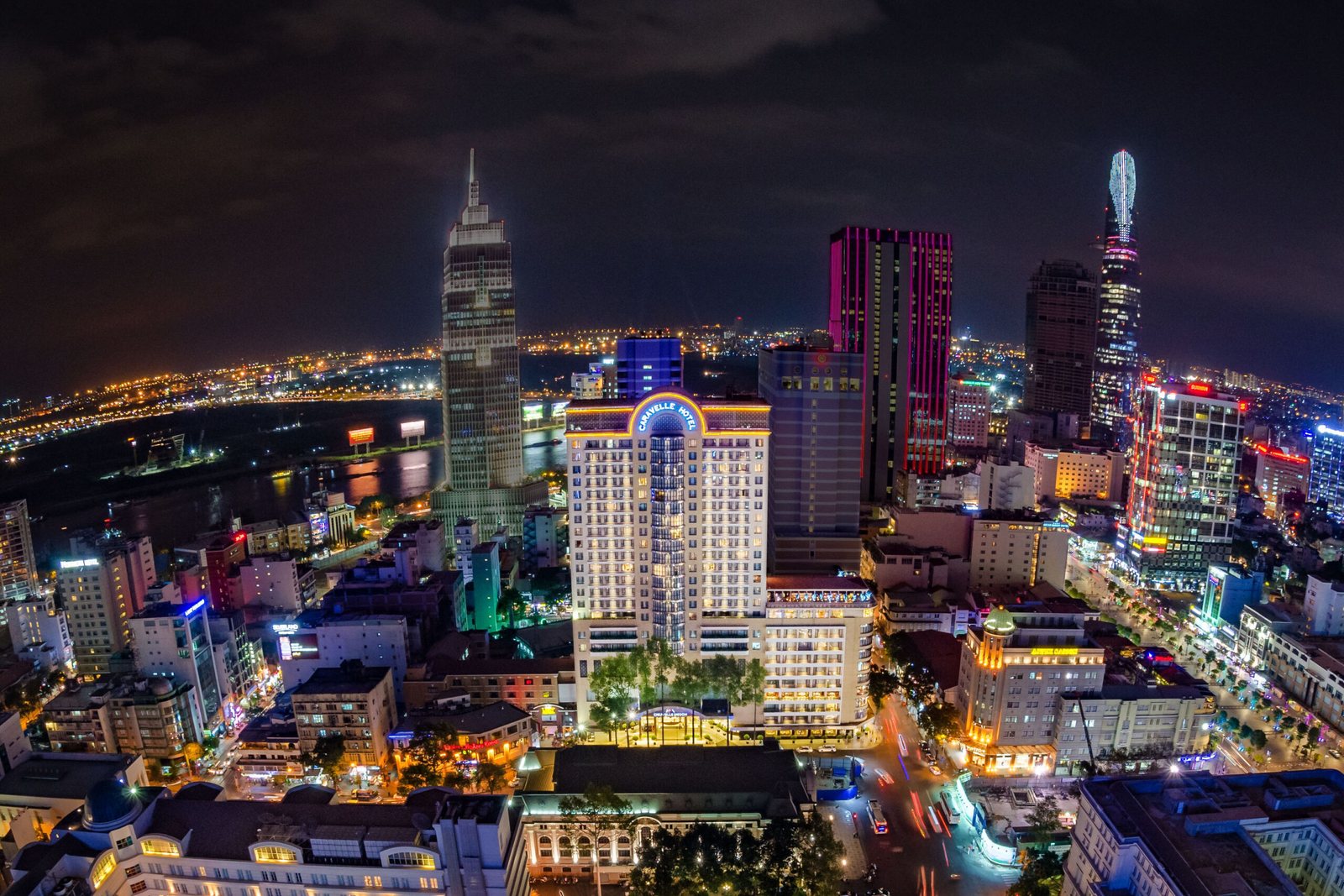
A VnExpress survey in 2018 found that, of the 19 best-located five-star hotels in Ho Chi Minh City, around ten had foreign investors, mainly from Singapore, Hong Kong and South Korea. This capital arrived early: in 1992 Glynhill Investments and Saigontourist invested US$61.5 million in the Caravelle; in 1994 Lam Ho Investments and Saigontourist built the Sheraton for US$97 million; and, at the time of the survey, Pan Pacific Hotels Group, part of UOL Group, held 26 per cent of Sofitel Saigon.
According to the Vietnam Hotel Association, by November 2018 the country had around 27,600 accommodation establishments with 548,000 rooms, including 138 five-star hotels with 44,728 rooms and 279 four-star hotels with 36,962 rooms. Over the same period international arrivals grew by around 25 per cent a year. National totals tell only part of the story: at each destination, occupancy, rates and seasonality show whether upscale supply is sufficient.
Condotels and resort villas grew quickly against this backdrop, while questions over land, ownership and operations still lacked full guidance. In August 2018 the Ho Chi Minh City Real Estate Association (HoREA) pointed out that some provinces had issued “long-term” certificates for condotels. In April 2019 the Government asked ministries to propose rules for the development and management of condotels, resort villas and officetels.
The third story was the integrated resort with a casino. Macao, the world’s largest casino market, recorded gross revenue from games of chance of around MOP265.7 billion in 2017, according to its statistics service. In central Vietnam, within around 40 km of Da Nang, several gaming venues for foreign visitors were operating or planned, including Crown International Club at the 535-room Crowne Plaza and Club 99 at Furama Resort. Macao’s scale is a reference point; the prospects of a Vietnamese project depend on licensing, eligible customers, access and non-gaming revenue.
Looking back, all three stories share a lesson: rising demand does not on its own create lasting value for hotel owners and investors. Value comes from choosing the right brand and operator for each destination, from robust contracts and, in a multi-owner project such as a condotel, from clarity on use rights, cost obligations, the sharing of letting income and arrangements for a change of operator. Every transaction should be assessed under the rules in force at the time.