

Hospitality

The 5-star hotel segment in Vietnam has recorded significant growth in recent years, driven by a strong rise in international arrivals and the expansion of the domestic tourism market.
As of 2025, the industry is posting impressive performance indicators, reflecting both the potential and the considerable resilience of Vietnam’s luxury hotel sector.
In the first quarter of 2025, Vietnam welcomed more than 6 million international arrivals, a new quarterly record. This growth reflects the country’s increasing appeal as one of the region’s leading destinations. The Lunar New Year (Tết) period in particular saw a sharp rise in arrivals, notably from China, with bookings exceeding pre-pandemic levels by almost 70%.
The 5-star segment has benefited directly from this trend, delivering strong performance in 2025. Luxury hotels in Hanoi and Ho Chi Minh City have reported higher booking levels, while coastal resorts have also seen robust demand from both domestic and international guests.
According to STR Global, Vietnam recorded the highest RevPAR (revenue per available room) growth in Asia Pacific in December 2024, driven by simultaneous gains in occupancy and average daily rate. Central, northern and southern Vietnam all recorded double-digit RevPAR growth. Average hotel occupancy nationwide reached 66% in 2024 and is expected to improve further in 2025. With demand for premium services continuing to rise, the 5-star segment is likely to outperform this average.

Steady economic growth in Vietnam, together with an expanding middle class, is stimulating domestic travel and supporting the development of the hotel market. In addition, the government’s efforts to promote tourism and improve infrastructure are drawing more international visitors to Vietnam, lifting demand for hotel accommodation. In major cities such as Hanoi, a number of luxury hotel projects are under way. Hanoi alone is expected to welcome 2,689 additional rooms from 12 new projects over 2025–2026, 74% of them in 5-star hotels. Around 60% of this new supply will be concentrated in the inner city, with international brands such as Waldorf Astoria, Fairmont and Four Seasons among the entrants, clear evidence of a strategy focused on the high-end guest.
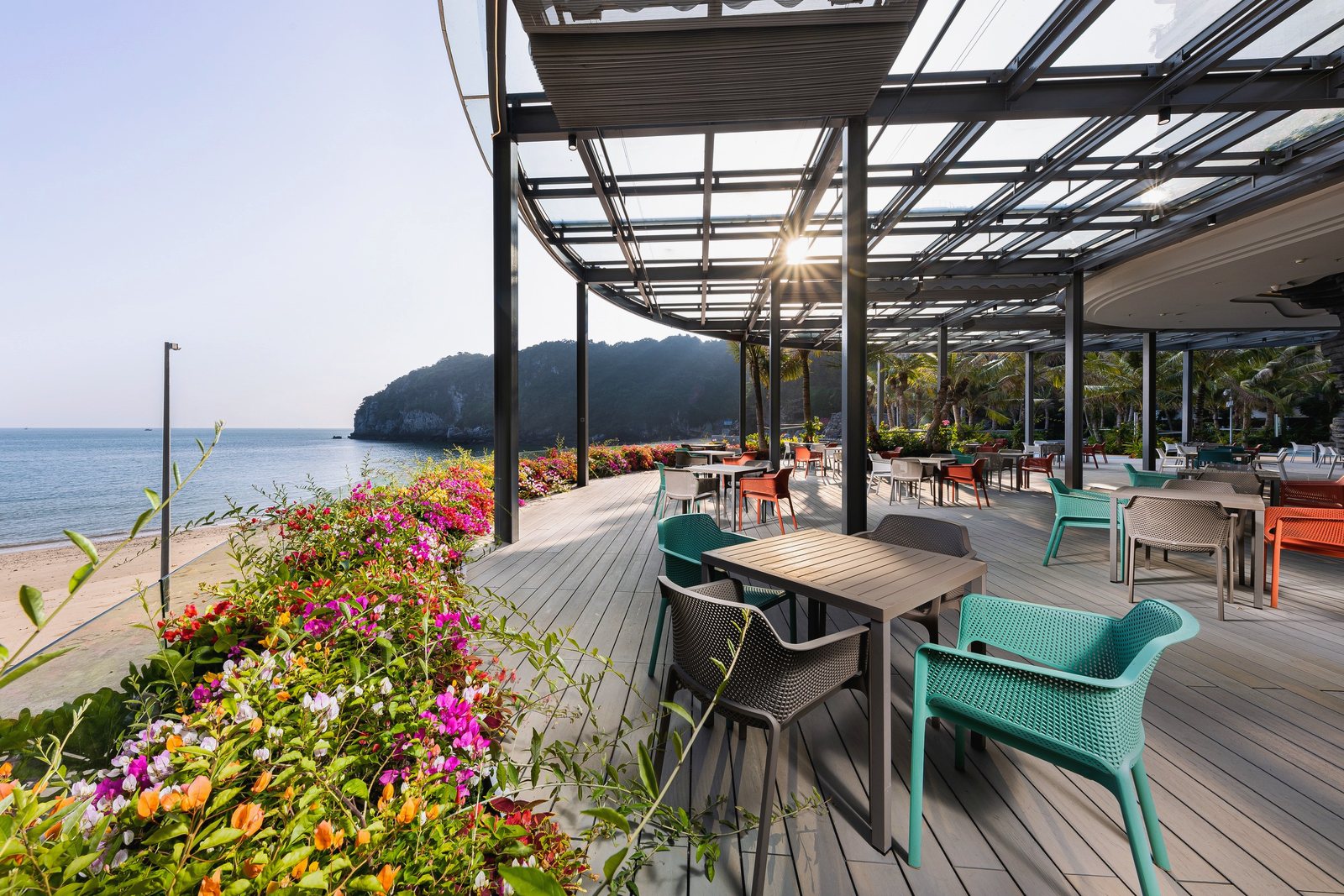
Beyond the traditional urban centres, a number of coastal and previously under-explored localities are becoming focal points for high-end resort projects, offering visitors distinctive and individual experiences. These destinations are attracting a growing number of high-spending travellers in search of luxurious accommodation with fine beach views. Travellers in Vietnam increasingly favour distinctive and authentic experiences, which is driving growing demand for environmentally responsible hotels. This shift in preferences is prompting luxury properties (from city hotels to eco-resorts set among majestic mountains) to innovate and offer personalised services that meet the discerning tastes of today’s travellers. Hotels are placing ever greater emphasis on sustainable development models.
Initiatives such as energy saving, waste reduction and the use of environmentally friendly building materials help attract eco-conscious travellers. At the same time, the integration of digital technology into the luxury hotel experience is becoming increasingly common. From smart booking processes and Internet of Things (IoT) in-room controls to services personalised to guest preferences, all are aimed at enhancing guest satisfaction and operational efficiency.
There are clear opportunities for the 5-star segment to grow strongly. The first is the rise of a high-income class in Vietnam and neighbouring countries, opening up a large potential market for the luxury segment. The second is improved aviation infrastructure, with expanded international routes and upgraded airports making Vietnam more accessible. A further opportunity lies in the growth of experiential and cultural tourism. Hotels that draw on the country’s rich cultural heritage to offer distinctive, personalised experiences gain a clear competitive advantage. Nevertheless, the 5-star segment also faces a number of challenges.
The first is the balance between supply and demand: rapid development may lead to an oversupply of rooms, bringing downward pressure on rates and occupancy. Second, maintaining high service standards requires a skilled workforce, so the industry needs to invest substantially in training and in creating an attractive working environment in order to retain talent. Finally, international economic uncertainty may affect travel behaviour and guest spending.
Vietnam’s hotel market is forecast to generate revenue of US$1.68 billion in 2025. The market is expected to grow at an annual rate of 5.56% between 2025 and 2029, reaching a market value of US$2.08 billion by 2029. Within this, the outlook for the 5-star hotel market in Vietnam in 2025 is very positive, supported by a range of factors that respond to the rising demand of both domestic and international travellers.
The government aims to attract 22–23 million international visitors by the end of 2025, which will create substantial demand for luxury accommodation. Strategic investment in sustainability, technology and destination diversification will play a pivotal role in sustaining this growth momentum and strengthening Vietnam’s position on the global luxury travel map.

