

Hospitality

Luxury travel is moving away from pure leisure towards forms of experience rooted in culture, history and nature. Within this shift, hotels and resorts located close to UNESCO World Heritage Sites are drawing a growing share of the global upper-middle and affluent clientele. This is a notable trend in the sustainable development strategies of the global hotel industry.
According to the World Tourism Organization (UNWTO), the number of international visitors to World Heritage Sites has grown by an average of 6% a year over the past decade. At the same time, high-income travellers are showing increasing interest in destinations of cultural and ecological value, seeking to combine distinctive experiences with refined comfort. This has created the conditions for rapid growth in the luxury hotel and resort segment near heritage sites.
Leading brands such as Belmond, Aman, Six Senses, Explora and &Beyond are already present at many of the world’s most celebrated heritage sites, from Machu Picchu (Peru) and Petra (Jordan) to Angkor Wat (Cambodia), Uluru (Australia) and the Serengeti (Tanzania). Unlike coastal or urban resort properties, projects near World Heritage Sites are typically subject to far more legal and planning constraints. Regulations on landscape protection, building height limits, building density and environmental impact assessment (EIA) are mandatory and more stringent. Yet it is precisely this that gives licensed projects, which are rare and hold their value over the long term, a competitive edge.
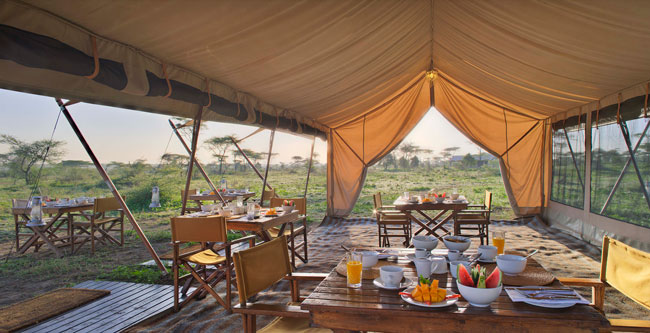
Accommodation near heritage sites is usually developed as small resorts or luxury eco-lodges of 10–50 keys, using local materials and designs in harmony with their surroundings. Average development costs run 25–40% higher than for conventional resorts in the same segment, owing to the cost of managing environmental risk and specific architectural requirements. In return, average room rates can be 30–100% higher, depending on the degree of exclusivity and the rarity of the location.
Guests at hotels near heritage sites belong to the high-income traveller segment, typically aged 35 to 65 and coming mainly from North America, Western Europe, Japan and South Korea, and more recently from China and India. They tend to stay longer (three to five nights per visit); favour exploration and immersion in local culture and ecology; are willing to spend on highly personalised services (private guides, dining in the open amid nature and the like); and take an interest in sustainable travel and heritage. This segment delivers high margins and, when the guest experience is well managed, is less dependent on seasonality.
Hotels are investing heavily in complementary activities such as themed heritage tours (historical, spiritual, archaeological), cultural classes, community activities, fine local cuisine and nature-based wellness. It is experience, not amenities, that ultimately determines whether guests return.
A number of models combining hospitality and conservation are being put into practice. Singita (Africa), for example, allocates part of its revenue to a lion and rhino conservation fund; Explora (South America) invests in research into local heritage; and brands such as Six Senses and Soneva have committed to eliminating single-use plastics and to carbon-neutral operations. This builds a lasting brand image while aligning with the global ESG agenda.
Technology (automated check-in, AI concierges, virtual heritage maps and so on) also helps drive operational efficiency, but the human and local touch remains essential to deepen the emotional experience. This calls for teams with foreign language skills, cultural understanding and a gift for storytelling. There are, however, challenges in balancing conservation with commerce. Overdevelopment around heritage sites is a growing concern, most notably in Venice and Dubrovnik. Without careful planning, hotel projects can lead to ecological imbalance, conflict with local communities and lasting damage to heritage value.
The task for investors and operators, therefore, is to create a model of sustainable coexistence: one that captures economic value while contributing to the protection of heritage, an essential condition at a time when travellers are increasingly aware of, and demanding about, the protection of heritage and the environment. Hotels and resorts near World Heritage Sites are not only a commercially promising segment but also an opportunity for the hotel industry to define a new social role: as storyteller, custodian and source of inspiration. In the years ahead, those who invest in the right direction, from architecture and service to community impact, will be able to attract high-end guests and make a positive contribution to the preservation of heritage.
At the time of publication in April 2025, Vietnam had eight UNESCO World Heritage Sites: five cultural, two natural and one mixed. These sites are not only of outstanding universal value but also lie along the country’s principal tourism development corridors. They comprise Ha Long Bay – Cat Ba Archipelago, the Trang An Landscape Complex, Phong Nha-Ke Bang National Park, the Complex of Hué Monuments, Hoi An Ancient Town, My Son Sanctuary, the Central Sector of the Imperial Citadel of Thang Long – Hanoi, and the Citadel of the Ho Dynasty.
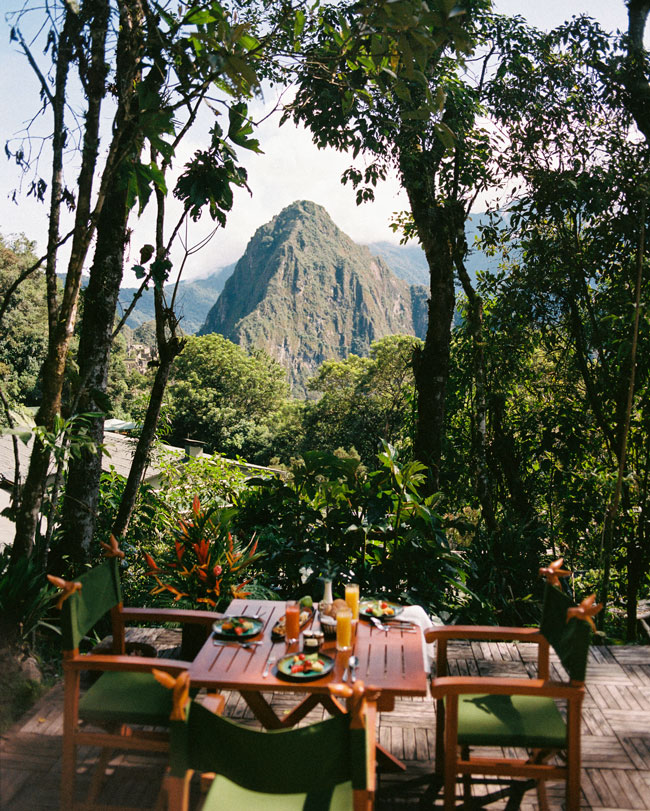
The investment advantages include steady visitor flows, abundant cultural and natural resources, favourable government policies to attract infrastructure investment, and land and construction costs that are competitive with other countries in the region. The specific challenges include fragmented regional planning, uneven access infrastructure, conservation awareness and local community engagement that are not yet sustainable, and a shortage of highly qualified tourism professionals.
Given these advantages and challenges, hotel investors and operators should study the planning of heritage zones in depth, give priority to local character in architecture and service, build brands closely associated with conservation, train and retain high-calibre local talent, and make use of technology and guest behaviour data to refine the personalisation of service.
Hotel development near heritage sites is set to become an attractive niche in Vietnam, provided it ensures sustainable tourism, upholds cultural authenticity, respects environmental sensitivities and involves local communities. Investors are accordingly shifting towards resort models of limited scale, offering experiences in harmony with the landscape and heritage rather than pursuing mass-market formats. As Vietnam upgrades its infrastructure and strengthens heritage conservation, the opportunity for the luxury accommodation segment is becoming ever clearer. From Trang An to Hoi An, the most successful projects will be those that respect the “spirit of the land” and create singular experiences, bringing together refinement and heritage. This trend reflects both market demand and a commitment to responsible and sustainable tourism development.

