Real Estate
This article is available in English only.
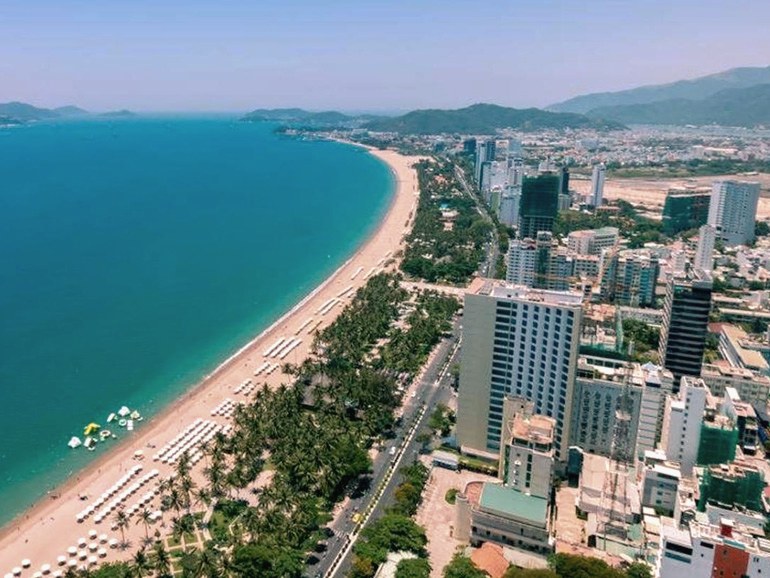
HCMC - The coastal property market is experiencing a sharp decline in both supply and liquidity in most localities known for tourism and seaside resort properties, such as Danang, Nha Trang, Quang Ninh and Phu Quoc, according to a report by the Vietnam Association of Realtors. Sai Gon Giai Phong newspaper cited a report by the Ministry of Construction at a forum on the property market in Hanoi on August 4 as saying that tourism properties have been developed in both coastal and non-coastal localities. These properties are diverse and available in different forms, such as hotels, condotels, shophouses and resorts.
Since 2015, the Ministry of Construction has conducted preliminary evaluations of many projects with some 25,000 condotel and officetel units, in addition to thousands of units assessed by localities. According to experts, the influx of nearly 13 million foreign tourists last year is a good driving force for the development of the coastal tourism property market. More than 12,000 resort apartments were built in Nha Trang City in three years, with an absorption rate of 80-85%.
However, transactions in the new market dropped significantly in the first half of this year, and there were very few condotel transactions in the second quarter.
Nguyen Manh Khoi, deputy head of the ministry’s Real Estate Market and Housing Management Agency, warned that investors should be cautious of fluctuations in the market. One of the factors blamed for the market’s decline is profit commitments. A pledged rate of return at 12-15% is difficult as room rates are not always high, making it hard for project developers to fulfil their commitments to their clients.
Besides this, regulations that protect the rights of customers are not clear enough. Some localities have halted investments in condotel projects to wait for a legal framework, according to Khoi. The vice chairman of the Vietnam Real Estate Association, Nguyen Manh Ha, stressed that property developers and individual investors need to be more professional and should understand investment models and efficiency. Business associations and management authorities should seek accurate analyses and evaluations to ensure the sustainable development of the coastal tourism property market, he added.
However, the ministry representative revealed that regulations on seaside tourism investments in the future will be clearer so that the growth potential of the market can be exploited in the long term.
Source: The Saigon Times Daily